


Derived from the Sanskrit words "ut" (intense) and "tan" (to stretch), Uttanasana translates to "intense stretch." Originating from the ancient Hatha Yoga tradition, this pose remains one of the most fundamental forward folds in global yoga practice. By deeply folding the body and positioning the head below the heart, it creates a semi-inverted posture that uniquely blends restoration with strength-building.
Proper Practice: Details Make the Difference
Step-by-step Guide:
- Starting Position: Begin in Tadasana (Mountain Pose), feet hip-width apart, soles grounded.
-
Folding Forward:
- Inhale, raise arms overhead to lengthen the spine;
- Exhale, hinge at the hips (not the waist!) as you fold forward, keeping the back straight;
- Rest hands beside feet, on shins, or yoga blocks (beginner-friendly). -
Deepening & Holding:
- Soften knees to avoid hyperextension (crucial for tight hamstrings), lift sit bones toward the ceiling;
- Inhale to slightly lift and lengthen the spine, exhale to deepen the fold;
- Hold for 5-10 breaths, focusing on the stretch along the back and hamstrings. - Exiting: Place hands on hips, maintain a straight back, and engage the core to rise slowly.

image source:https://tinyurl.com/2uza5emt
Beginner Modifications:
- Bend knees generously to reduce hamstring strain;
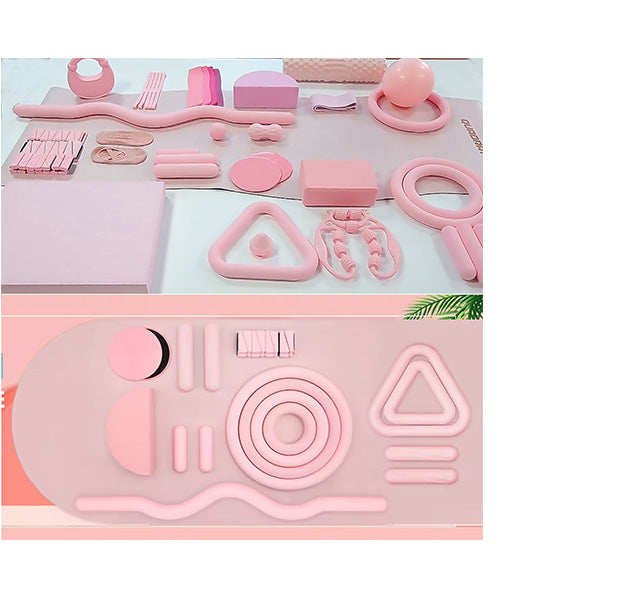
- Use yoga blocks under hands to prevent rounding the spine;
- Hold opposite elbows for a relaxed "Ragdoll" variation.
Muscle Engagement & Stretch: A Scientific Breakdown
Though seemingly gentle, Uttanasana activates multiple muscle groups:
| Function | Primary Muscles | Role |
| Active Engagement | Quadriceps (front thighs) | Stabilize legs, extend knees |
| Rectus Abdominis | Initiate forward fold | |
| Deep Stretch | Hamstrings, Calves | Improve posterior flexibility |
| Glutes, Piriformis (hips) | Open hip joints | |
| Erector Spinae (spinal muscles) | Lengthen spine, relieve tension |
The trapezius and deltoids also engage to stabilize shoulders and arms, creating a full-body integrated practice.
Multidimensional Benefits: Beyond Flexibility
1、Physical Wellness:
- Stimulates liver/kidney function, massages abdominal organs, aids digestion;
- Boosts lower-body circulation, reduces leg fatigue;
- Strengthens thighs/knees, prevents injuries.
2、Nervous System & Emotional Balance:
- Semi-inversion increases blood flow to the brain, alleviates headaches/insomnia;
- Activates parasympathetic nervous system, reduces anxiety and stress
3、Specialized Support:
- Eases menopausal hot flashes/night sweats;
- Supports osteoporosis/hypertension management (under guidance).
Myth-Busting: Can Uttanasana Prevent Hair Loss?
Some sources claim it "supports hair growth" through:
1. Scalp Blood Flow: The head-below-heart position may mildly boost scalp circulation (less effective than full inversions);
2. Hormonal Balance: Stress reduction indirectly improves hormone-related hair loss.
Reality Check: Genetics, nutrition, and illness are primary hair loss factors. Yoga is complementary—not a replacement—for medical treatment. Avoid overstating its effects!
Comparison: Which Forward Fold Should You Choose?
Key variations and their purposes:
| Pose | Key Difference | Best For |
| Ardha Uttanasana (Half Forward Fold) | Spine parallel to floor, hands on knees/shins | Spinal decompression, pregnancy/back pain |
| Prasarita Padottanasana (Wide-Legged Fold) | Wide stance, hands on floor | Inner thigh strength, deep hip opening |
| Padahastasana (Hand-to-Foot Pose) | Palms under feet, forehead to shins | Advanced stretch, balance |
Functional Recommendations:
- Balance improvement → Single-Leg Forward Fold (Eka Pada Uttanasana);
- Shoulder release → Ragdoll (elbow-hold variation)
- Intense stretch → Twisted Forward Fold.
Safety Alert: When to Modify or Avoid
- Contraindications: Severe back injury, glaucoma, hypertension (may increase cranial pressure), late pregnancy.
-
Common Mistakes:
- Rounding the spine → Bend knees or elevate hands;
- Knee hyperextension → Engage quads to soften knees;
- Rising too quickly → Prevent dizziness (especially with hypotension).
Conclusion: Simple Wisdom for Daily Life
Uttanasana shines in its accessibility—no equipment needed, anytime practice. Use it to energize mornings, counter sedentary stiffness, or unwind before bed. As ancient yoga philosophy teaches:"The depth of a stretch lies not in the bend, but in awareness; progress blooms not in magnitude, but in breath." Even 3-5 minutes daily can transform flexibility and inner calm.
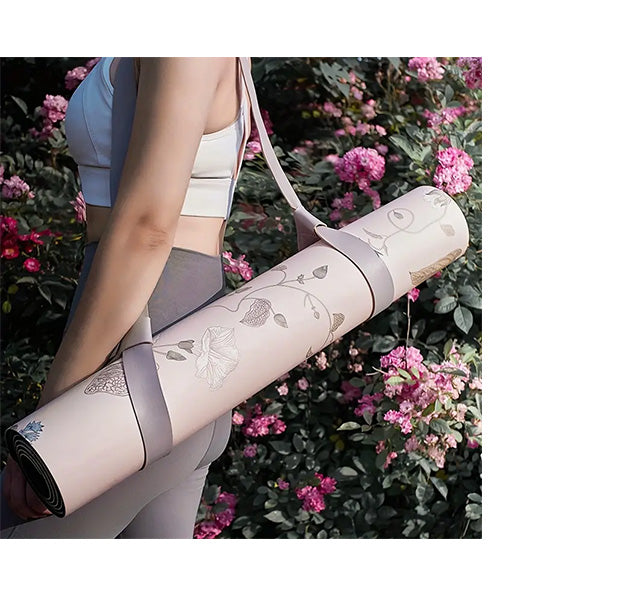
Practice Uttanasana on a stable, MOWIN'S non-slip yoga mat for deeper relaxation!
Try Today:
"Desk Version": Place hands on a sturdy desk/chair, push hips back, and fold forward. Feel your spine lengthen (perfect for beginners!).
Image Source:https://tinyurl.com/yt99fs8a