


A seemingly simple yet profoundly beneficial yoga pose
In the world of yoga, there are some poses that appear simple yet contain profound benefits, and Paschimottanasana (Seated Forward Bend) is one of them. This fundamental Hatha yoga pose is not only a basic component of many yoga classes but also a treasure trove of practice that can comprehensively nourish both body and mind.
What is Paschimottanasana?
Paschimottanasana, known in English as the Seated Forward Bend, is composed of several Sanskrit roots: "Paschima" means "west" or "the back side of the body," "ut" indicates "intense," "tan" means "to stretch," and "asana" refers to "pose."
In traditional yoga practice, people typically face east while practicing, and this pose specifically stretches the entire back side of the body—from the heels to the head—hence its name.
This pose is classified as a basic level posture in Hatha yoga, suitable for beginners, but achieving proper alignment requires consistent practice and patience.
Step-by-Step Guide to Practicing Paschimottanasana
1. Starting position: Sit on a yoga mat or any soft surface with your legs extended straight forward. Ensure your spine is straight and your toes are pulled back toward your body.
2. Breathing and arm movement: Take a deep inhale while raising your arms overhead, keeping your arms close to your ears, with your gaze looking forward.
3. Forward bending movement: Slowly exhale as you begin to bend forward from the hip joint (the crease of your buttocks), moving toward your toes. Keep your back straight and allow your head to hang naturally.
4. Final posture: Try to bring your chin, nose, or forehead to your knees. Hold this position for about 20 to 30 seconds, or as long as your body can comfortably manage.
5. Arm placement: Place your hands on your legs or touch your toes. If you cannot reach your toes, you can touch your ankles, shins, or knees.
6. Exiting the pose: Inhale as you gradually lift your body back to a seated position while keeping your arms extended. Exhale as you lower your arms.

The Amazing Benefits of Paschimottanasana
Physical Benefits
Regular practice of Paschimottanasana can bring multiple physical benefits:
- Stretching and strengthening: This pose provides a good stretch for your back, hamstrings, and shoulders while enhancing spinal flexibility. Through regular practice, you'll find yourself gradually able to fold forward more deeply.
- Improving digestive system: Paschimottanasana stimulates the abdominal organs, helping to improve the digestive process and eliminate toxins. It's particularly effective for relieving stomach issues and constipation.
- Promoting blood circulation: This pose can enhance blood flow, promote detoxification and vitality, and help relieve leg pain.
- Regulating physiological functions: Regular practice of Paschimottanasana helps alleviate menopause and menstrual discomfort, and also has therapeutic effects on high blood pressure, insomnia, and fertility issues.
Mental Benefits
In addition to physical benefits, Paschimottanasana has significant impacts on mental health:
This pose can reduce stress and anxiety, helping to calm the mind. It's particularly effective for relieving mild depression and fatigue, making irritable, restless people more peaceful.
Safety Practice Guidelines: Who Should Practice with Caution?
Although Paschimottanasana is suitable for most beginners, certain individuals need to be particularly careful:
- People with serious back and hamstring injuries, recent surgeries, and high blood pressure should avoid this pose.
- Those suffering from heart disease and eye problems should avoid this practice.
- Pregnant women should avoid it or consult healthcare professionals.
- If you have asthma or diarrhea, you should also avoid this pose.
Frequently Asked Questions
1、Should the back be straight when practicing Paschimottanasana?
This is a common misunderstanding. In Paschimottanasana, having a "flat back" is not the goal to achieve. Forcing the back to stay straight may pose injury risks.
The key isn't whether the back is rounded, but whether the curvature is even, rather than having localized highs and lows. An evenly curved rounded back is normal and safe.
2、How to safely deepen the forward bend?
Instead of forcing the body to bend forward, focus on folding from the hips rather than from the waist. Feel the forward tilt starting from the hips, as if the pelvis were a basin of water being poured forward.
If the back of your legs is too tight, you can slightly bend your knees, without overly forcing yourself to touch your toes.
3、How can stiff people practice Paschimottanasana?
For people with particularly stiff bodies, assistive tools can be used:
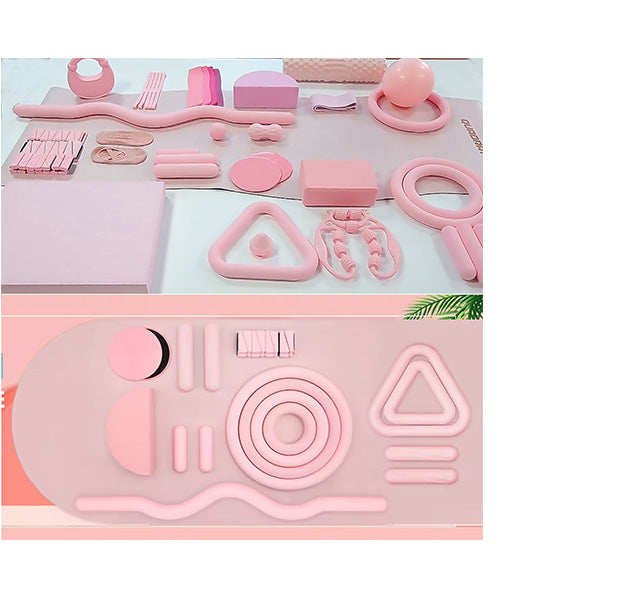
- Place yoga blocks, blankets, or yoga bolsters under the hips to help the pelvis tilt forward better.
- Use yoga straps to assist practice, helping to rotate the pelvis forward.
- Press your feet against a wall to help establish foundation and activate the legs.
Practical Tips for Practicing Paschimottanasana
1. Warm up your body: Before practicing any pose, warming up is essential to relax muscles and prevent injuries.
2. Let breath guide you: In Paschimottanasana, let your breath be your guide. Prepare as you inhale, fold forward as you exhale, allowing the breath to flow naturally.
3. Avoid forcing: Don't force yourself to reach your toes. Respect your body's limitations—as practice deepens, your body will naturally become more flexible.
4. Focus inward: The true purpose of practicing Paschimottanasana is not only to stretch muscle tissue but also to feel the sensation of breath flowing through your spine, perceiving changes in your body from within.
Conclusion
Paschimottanasana, or the Seated Forward Bend, is a practice with profound effects on both body and mind. It not only enhances physical flexibility and improves various physiological functions but also calms the mind and relieves stress.
Remember, the goal of yoga practice is not to touch your toes, but to connect with your body, respecting its boundaries.
Use assistive tools if needed, allowing the posture to develop naturally over time. In your practice, enjoy the flexibility, calmness, and inner balance brought by this gentle stretch.
Whether you're a yoga beginner or an experienced practitioner, incorporating Paschimottanasana into your daily practice can provide rich benefits. Start trying this simple yet powerful pose today and personally experience the changes it brings!
Image Source:https://tinyurl.com/3zaz58ub