


In fitness environments, gym mats are the core areas that bear sweat, equipment wear and tear, and direct human contact. Improper cleaning can not only shorten the lifespan of the mats but also breed bacteria, mold, and even trigger skin infections or respiratory diseases. This article combines professional cleaning solutions with users' high-frequency needs, offering a one-stop guide from cleaning frequency and tool selection to in-depth maintenance.

I. Cleaning Frequency: Customize the Schedule Based on Usage Scenarios
The cleaning frequency of gym mats should be determined by combining factors such as usage intensity, foot traffic, and material characteristics. Here are recommended plans for different scenarios:
| Scenario Type | Daily Cleaning | Weekly Deep Cleaning | Monthly Maintenance |
|---|---|---|---|
| Commercial Gym (High Traffic) | After daily training sessions, use a vacuum cleaner to remove surface debris. Spray a neutral disinfectant on high-contact areas like yoga mats and punching bag pads. | On weekends, use a professional mat cleaning machine for overall scrubbing, focusing on corners and seams. | Once a month, flip the mats over for a thorough inspection and clean accumulated dust underneath. |
| Small Studio/Personal Training Gym | After each class, wipe down surface sweat with a microfiber cloth and allow to air dry. | On Wednesdays and Sundays, mop with diluted hydrogen peroxide disinfectant. | Once a month, disassemble interlocking mat blocks and clean dirt from the connections. |
| Home Gym | After each workout, sweep away dust with a soft-bristled brush and let it dry naturally. | Every Saturday, hand wash small mats with warm water and a neutral detergent. | Quarterly, check the anti-slip layer at the bottom of the mats and replace any aged components. |
Key Tip: If the mats develop an odor, a sticky feel, or a dull color, perform a deep clean immediately instead of waiting for the scheduled cycle.
II. Cleaning Tools: Match Professional Equipment to Different Materials
Different mat materials have varying tolerances to cleaning tools, and incorrect choices can cause irreversible damage. Here are the appropriate tools for common materials:
1. Rubber Mats (Shock-Absorbing Type)
- Daily Cleaning: Soft-bristled vacuum cleaner (to avoid scratching the surface), electrostatic dust mop
- Deep Cleaning: Neutral pH cleaner (e.g., Century Mat Specialized Cleaning Solution), soft-bristled brush or rotating mat cleaning machine (ensure brush heads are made of nylon or polyester fiber)
- Prohibited Tools: Steel wool, chlorine-based bleach, strong acid or alkaline cleaners
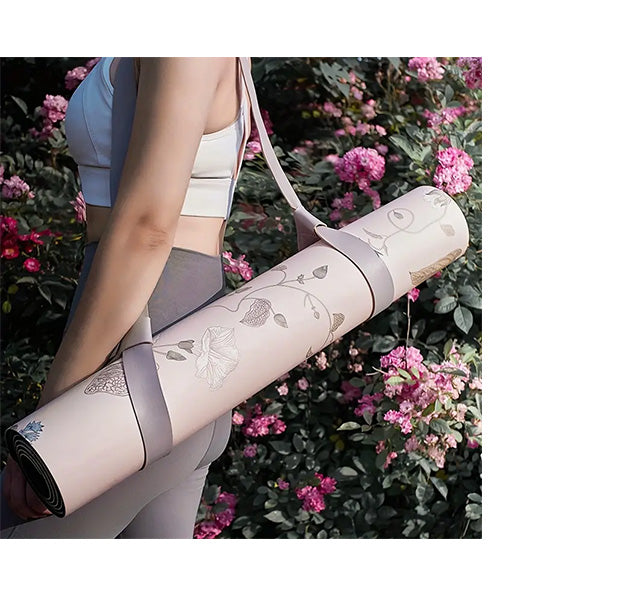
2. PVC/EVA Foam Mats (Yoga/Pilates)
- Daily Cleaning: Ultra-fine fiber towel, 75% alcohol spray (for quick disinfection)
- Deep Cleaning: Warm water + a small amount of baby shampoo (gentle de-greasing), removable mat covers can be machine-washed (if applicable)
- Prohibited Tools: High-temperature steam cleaners (may cause deformation), oily cleaners (leave a slippery residue)
3. Interlocking Mats (Comprehensive Training Areas)
- Daily Cleaning: Wide-area vacuum cleaner (to cover large areas), gap cleaning brush
- Deep Cleaning: Disassemble and rinse with a high-pressure water hose (outdoor operation), dry thoroughly before reassembling
- Prohibited Tools: Hard scrapers (may damage the interlocking structure)
Advanced Tool Recommendations:
- Century Mat Cleaning Kit: Includes concentrated cleaning solution, dual-headed microfiber mop, and replaceable brush heads, suitable for efficient cleaning in medium to large venues.
- Hydrogen Peroxide-Based Disinfectant: Non-corrosive, kills 99.9% of bacteria, ideal for high-frequency disinfection needs.
III. Cleaning Steps: Achieve Thorough Purification in Stages
Stage 1: Pre-Treatment (Remove Surface Contaminants)
- Clear Large Particles: Use a soft-bristled brush or vacuum cleaner to remove sand, hair, and other debris from the mat surface to prevent scratches.
- Spot Cleaning: For stubborn stains like oil or blood, gently dab with a cotton cloth soaked in a small amount of neutral cleaner to avoid spreading.
Stage 2: Main Cleaning (Material-Specific Operations)
-
Rubber Mats:
- Pour diluted cleaning solution (1:50 ratio) into the water tank of the mat cleaning machine and scrub back and forth at a low speed.
- For manual cleaning, dip a soft-bristled brush into the solution and scrub in one direction to avoid fraying.
-
Foam Mats:
- Lay the mat flat on a dry surface, evenly spray the cleaning solution with a spray bottle, let it sit for 3 minutes, then wipe with a microfiber cloth.
- For interlocking seams, use a cotton swab dipped in cleaning solution for deep cleaning.
Stage 3: Disinfection and Drying (Critical Anti-Mold Steps)
-
Disinfection Treatment:
- For commercial settings, use hydrogen peroxide or quaternary ammonium compound disinfectants, dilute according to instructions, and spray, allowing 5-10 minutes of contact time.
- For home environments, wipe surfaces with 75% alcohol wipes.
-
Thorough Drying:
- Turn on the gym's fresh air system or industrial fans to accelerate air circulation.
- Avoid direct sunlight (may cause rubber aging) and prefer natural drying in a cool, ventilated area.
IV. Long-Term Maintenance: 3 Tips to Extend Mat Lifespan
- Moisture Control: In humid seasons, use a dehumidifier after daily workouts to lower environmental humidity, or lay a moisture-proof membrane underneath the mats.
- Regular Flipping: Every quarter, flip the mats 180 degrees to ensure even wear on both surfaces and extend their lifespan.
- Damage Repair: When small areas of damage are detected, promptly repair with specialized adhesive (for rubber mats) or replace interlocking blocks (for modular mats) to prevent the issue from worsening.
Conclusion
Maintaining clean fitness mats is not merely a matter of hygiene, but a commitment to members' wellbeing. By scientifically planning cleaning cycles, employing professional tools, and rigorously adhering to standardised procedures, even small studios can achieve a level of cleanliness rivalling that of large chain gyms. Remember: every meticulous wipe enhances the quality of the training experience.
Image Source:https://tinyurl.com/27mcsc5j